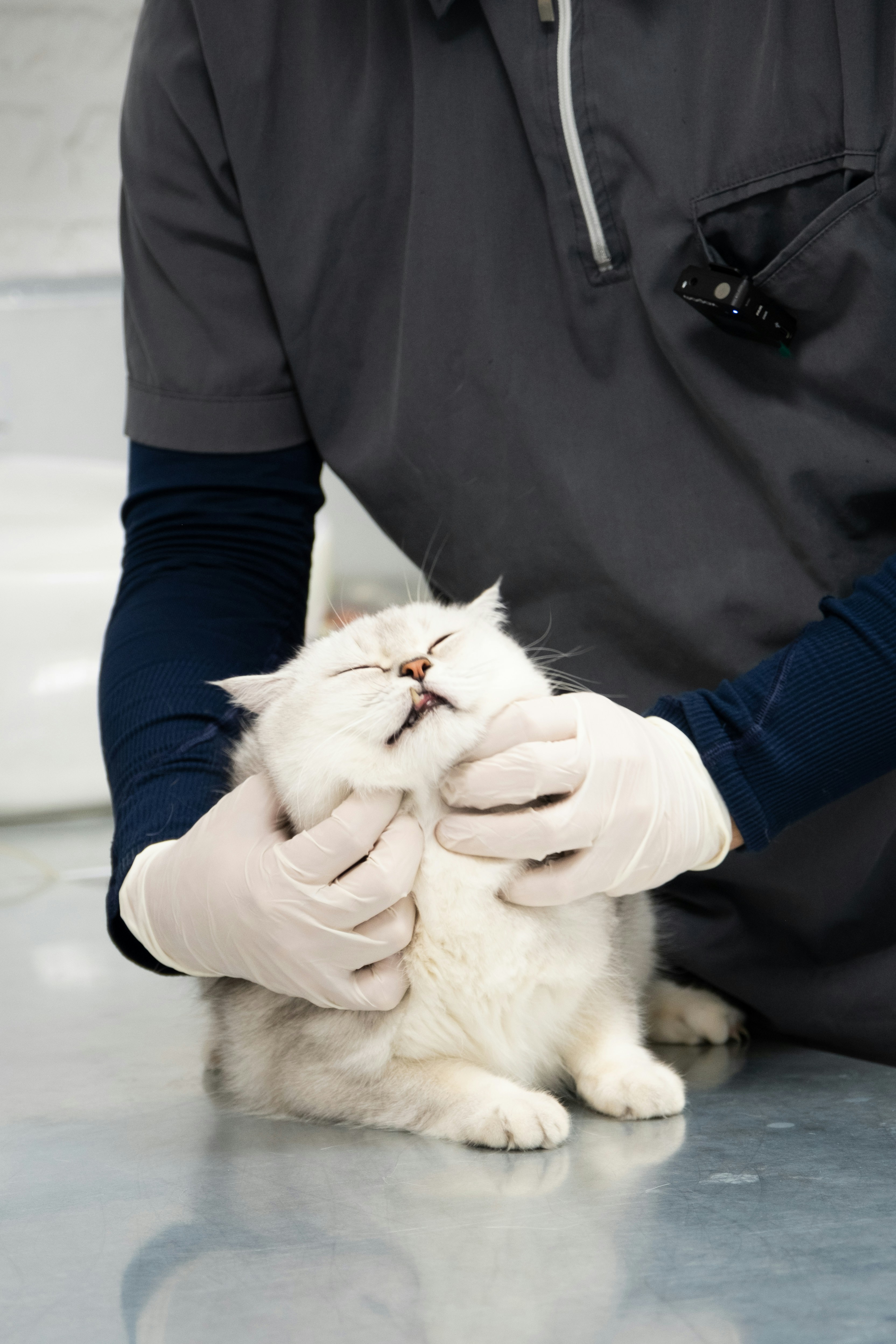
The cases thatkeep you up deservemore than a search engine.
A private roundtable for DVMs, RVTs, and specialists — where 2 a.m. differentials get a second opinion, and every voice in the room has held a scalpel.
Three things we believe about clinical knowledge.
Clinical isolation costs lives.
The rural mixed-practice vet seeing a cryptic neurological presentation at midnight deserves the same breadth of opinion as the internist at a teaching hospital. Distance is not a clinical variable.
Experience shared multiplies.
Every GDV you've derotated, every coagulopathy you've wrestled, every owner conversation that broke your heart — that knowledge doesn't expire. It compounds.
Doubt is diagnostic intelligence.
The moment you ask "am I missing something?" is not weakness. It's the most clinical thought you've had all day. This is a room where that question is always welcome.
Ask your questionThe conversations that change outcomes.
Anonymized fragments from real threads. Every credential verified, every case de-identified. The knowledge is real.
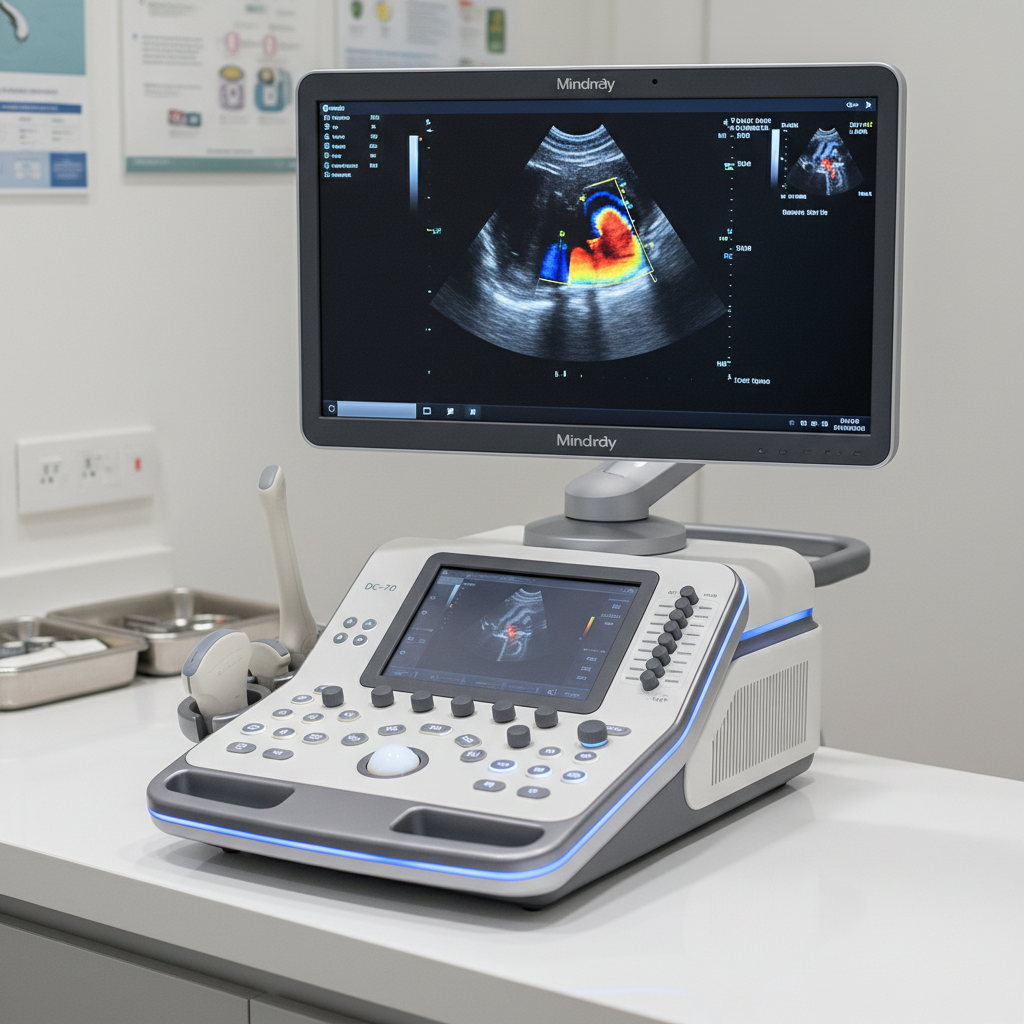
"Came in as a routine GDV. Intraoperative splenic torsion, DIC brewing. Switched to damage-control protocol — packing, close, ICU. The spleen waited 18 hours. She walked out day four."
This is the case that changed how I pre-brief my team on GDVs. We run a "what if the spleen" conversation before every single one now.
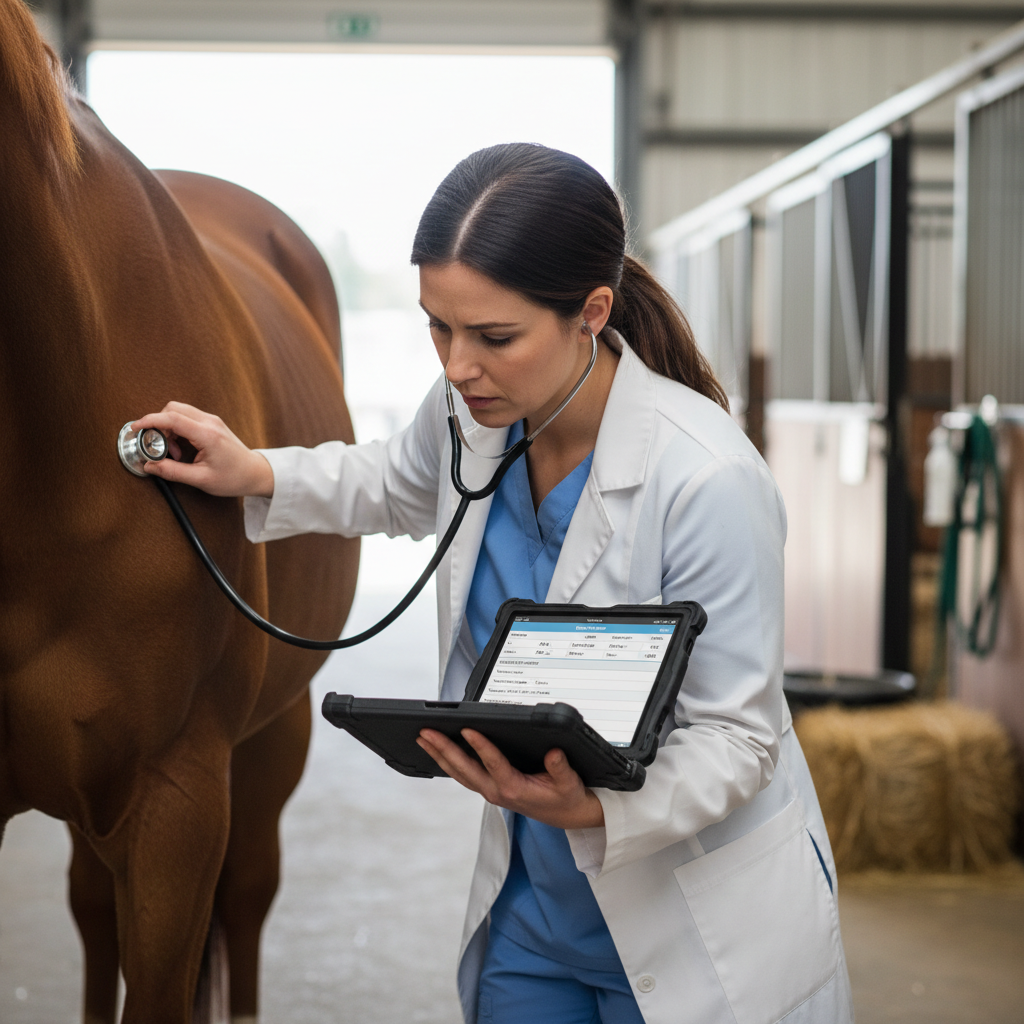
"Herd of 40 Angus, 6 sudden deaths over 72 hours. Nitrate toxicity was my first call. Necropsy said polioencephalomalacia. Thiamine deficiency in a high-grain transition. Two weeks from feedlot arrival."
The timeline is the tell. Always ask when they changed the ration. Grain-induced thiamine destruction is fast and the window for treatment is narrow.

"Cat, 4yo, intermittent collapse, normal echo, normal Holter. I was about to refer for a third workup. Someone here suggested hypokalemic periodic paralysis. Potassium was 2.1. One dose. Fixed."
The echo-normal collapse in a young cat always deserves a metabolic panel before the next cardiology referral. You did exactly the right thing asking.
The archive that grows with every shift.
Septic Peritonitis: 47 Cases Reviewed
Retrospective analysis of outcome predictors, surgical timing decisions, and post-op management across community submissions.
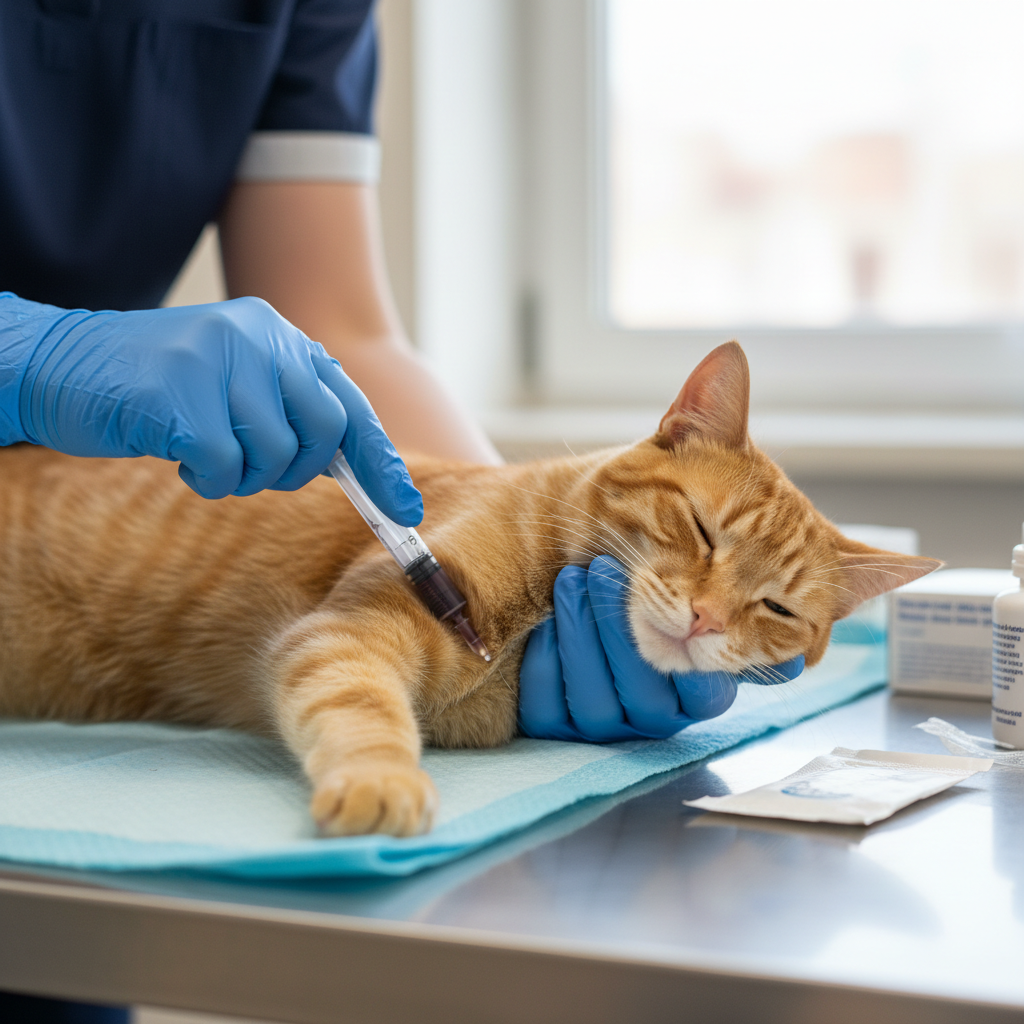
Emergency Analgesia Protocol — Feline Trauma
Community-validated protocol for the first 30 minutes of feline trauma management. Includes dose ranges, monitoring parameters, and decision trees.

Antimicrobial Stewardship in Mixed Practice
A 1-hour CE-eligible discussion thread on responsible antibiotic selection in food animal and companion animal settings. RACE approved.
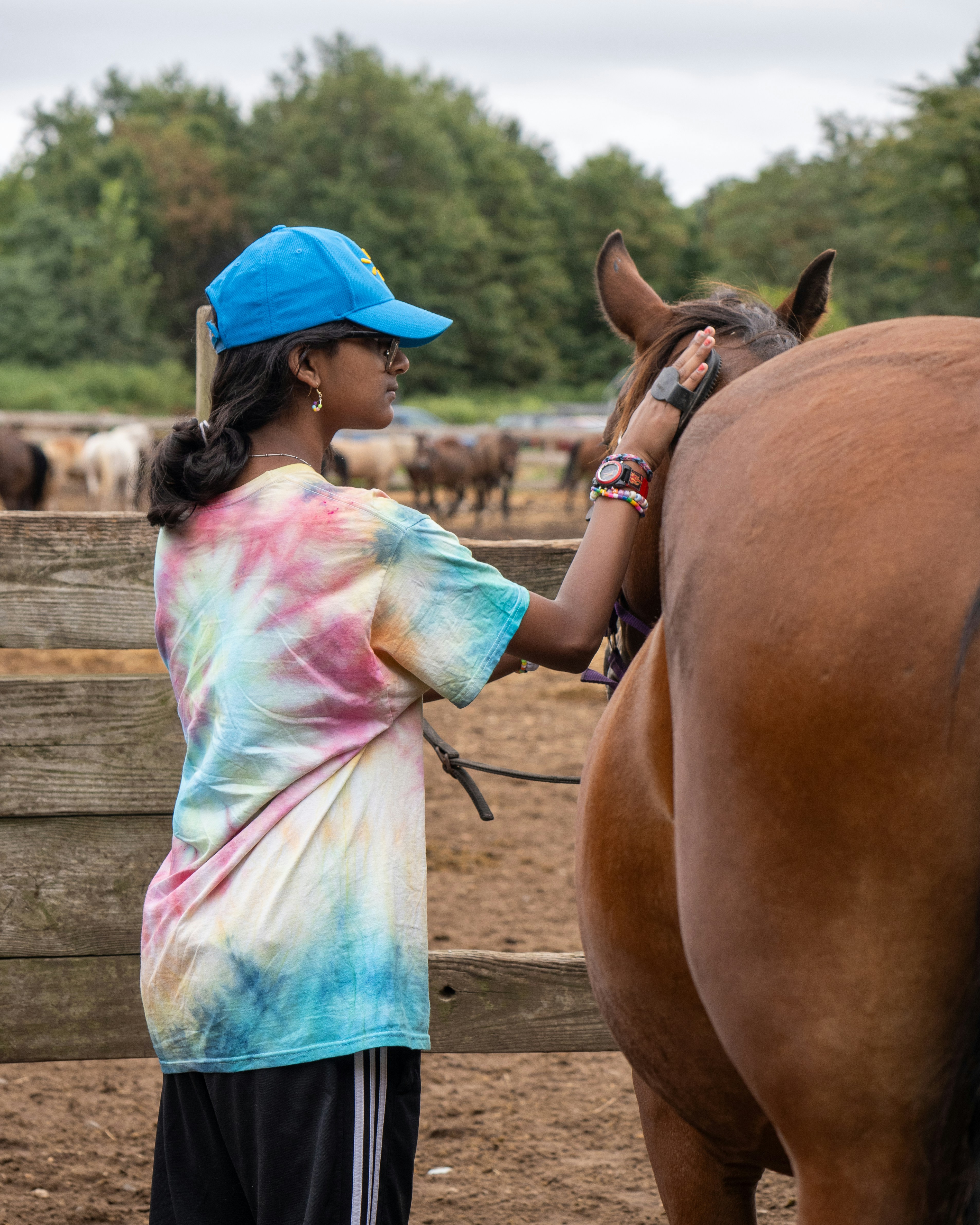
Equine Colic: When to Refer, When to Wait
A curated thread with 31 large-animal practitioners debating surgical vs. medical management criteria. Includes ultrasonography discussion.
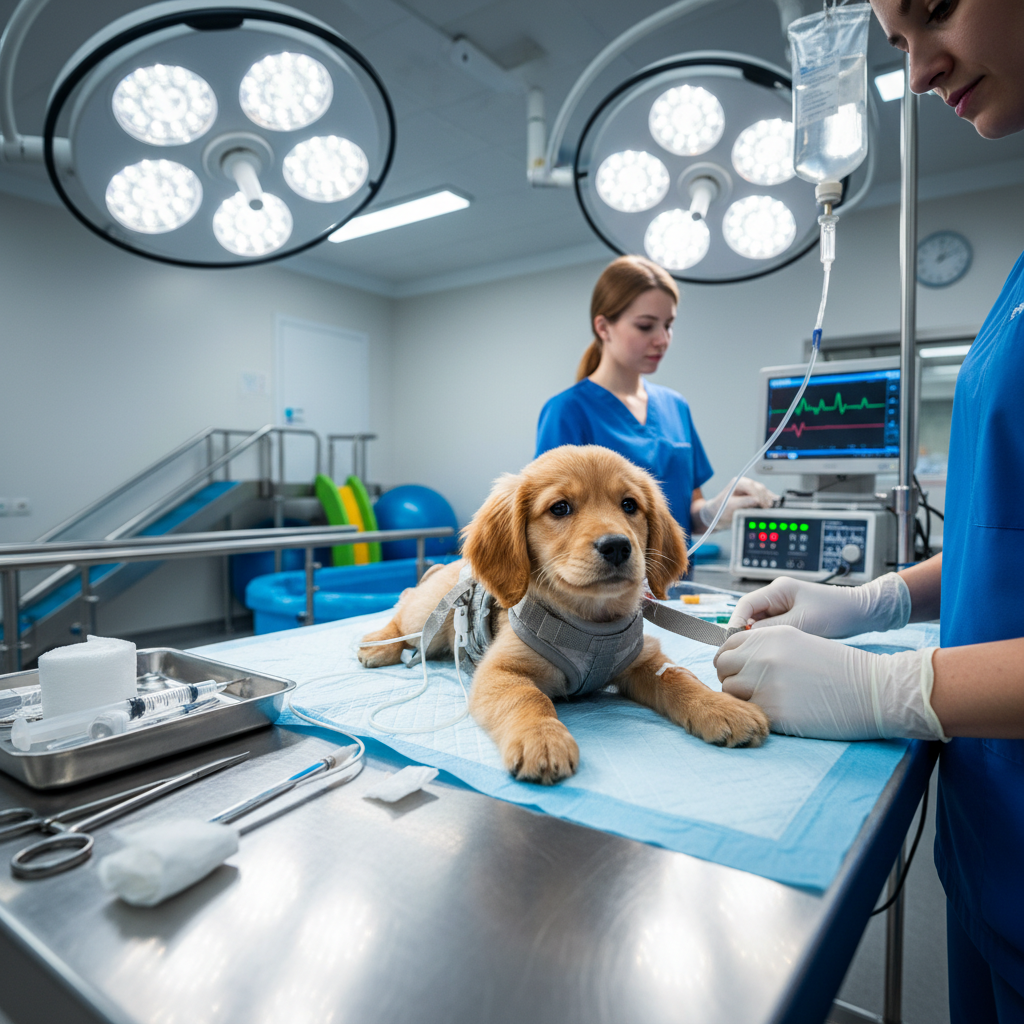
Diabetic Ketoacidosis — Canine Fluid Protocol
Step-by-step fluid management template with electrolyte correction guidance. Built from 6 months of community case submissions.

Cytology Interpretation: Mast Cell Variants
A 45-minute CE thread featuring annotated cytology images and differential diagnosis debate from three board-certified pathologists.
The room is always open.
No algorithms deciding whose question gets seen. No social scoring. No performance. Just clinical professionals in a room, thinking together — the way it should have always been.
Anonymous by default. Your name stays yours.
Credentials verified. Every voice is qualified.
No pharma sponsorship. No promoted content.
CE credit available on eligible threads.


Pull up a chair.
90 seconds. Three fields. No payment.